
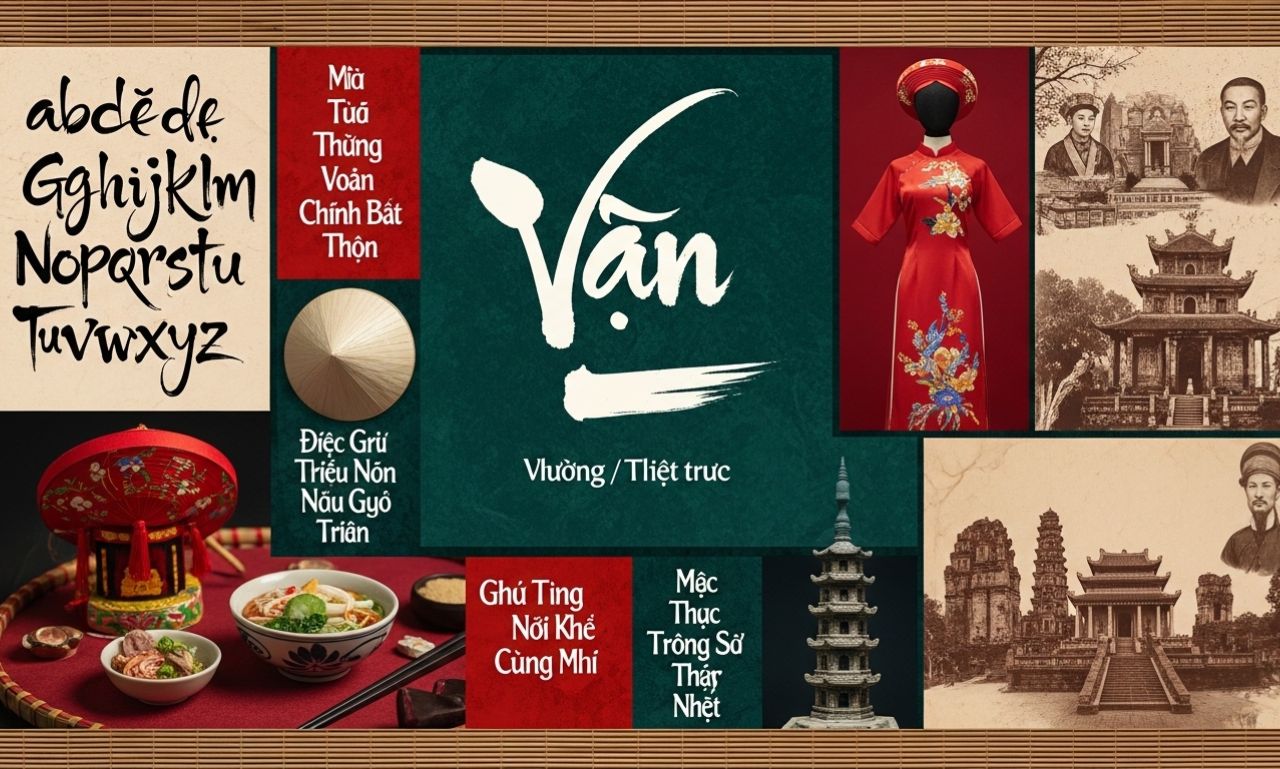
Vietnamese refers to both the language spoken by the people of Vietnam and the rich cultural heritage associated with the nation. With over 95 million speakers worldwide, Vietnamese is a significant language in Southeast Asia, while Vietnamese culture is recognized for its history, cuisine, art, and unique traditions. Understanding Vietnamese language and culture provides insight into one of the world’s most vibrant societies.
Vietnamese Language: Origins and Features
The Vietnamese language belongs to the Austroasiatic language family and is the official language of Vietnam. Historically, it incorporated Chinese characters (Chữ Nôm) before transitioning to a Latin-based script (Quốc Ngữ) introduced by French missionaries in the 17th century.
Key features of Vietnamese include:
-
Tonal Language – Vietnamese has six tones in Northern dialects and five in Southern dialects, making tone essential for meaning.
-
Simple Grammar – Lacks verb conjugation, plurals, or complex tenses common in Western languages.
-
Regional Dialects – Northern (Hanoi), Central (Hue), and Southern (Ho Chi Minh City) dialects have notable pronunciation and vocabulary differences.
-
Loanwords – Vietnamese incorporates words from Chinese, French, and English due to historical and colonial influences.
Vietnamese Culture: Traditions and Practices
Vietnamese culture reflects a long history influenced by Confucianism, Buddhism, Taoism, and indigenous beliefs. Core aspects include:
-
Festivals – The Tet Lunar New Year is the most important celebration, honoring ancestors and family. Other festivals include Mid-Autumn Festival and local harvest celebrations.
-
Family and Community – Respect for elders and strong family ties are central. Traditional roles and hierarchy shape social interactions.
-
Religion and Philosophy – Buddhism is widely practiced, alongside folk beliefs and ancestor worship.
-
Traditional Arts – Water puppetry, lacquer painting, calligraphy, and traditional music are celebrated cultural expressions.
Vietnamese Cuisine: A Culinary Journey
Vie tnamese cuisine is globally renowned for its fresh ingredients, balance of flavors, and healthy preparation methods. Signature dishes include:
-
Pho – Rice noodle soup with herbs and meat.
-
Banh Mi – French-inspired baguette sandwich with Vie tnamese fillings.
-
Spring Rolls (Goi Cuon) – Fresh rolls with herbs, vegetables, and protein.
-
Bun Cha – Grilled pork served with rice noodles and dipping sauce.
Herbs, fish sauce, and rice are staples, reflecting the Vie tnamese philosophy of balance and freshness in food.
Vietnamese Arts and Literature
Vi etnamese arts combine traditional and modern elements:
-
Literature – Includes classical poetry, folktales, and contemporary novels reflecting society and history.
-
Music – Traditional music features instruments like the dan bau and dan tranh, while modern Vie tnamese pop blends global trends.
-
Architecture – Pagodas, temples, and French colonial buildings showcase the blend of indigenous and foreign influences.
These cultural expressions maintain a link to Vietnam’s past while evolving in a globalized world.
Vietnamese Language and Global Influence
With growing diaspora communities, Vie tnamese is spoken worldwide in the United States, Australia, France, and Canada, contributing to cultural exchange. Vie tnamese language classes, media, and cuisine have expanded international awareness of Vie tnamese culture.
Furthermore, businesses, international relations, and tourism in Vietnam increasingly rely on English-Vie tnamese bilingualism, creating a dynamic linguistic environment.
Conclusion
Vie tnamese encompasses both a language and a vibrant cultural heritage. From its tonal linguistic structure to its rich traditions, festivals, cuisine, and arts, Vietnam offers a unique lens into Southeast Asia’s history and modern identity.
Understanding Vie tnamese language and culture not only enhances communication but also provides appreciation for one of the world’s most diverse and dynamic societies.