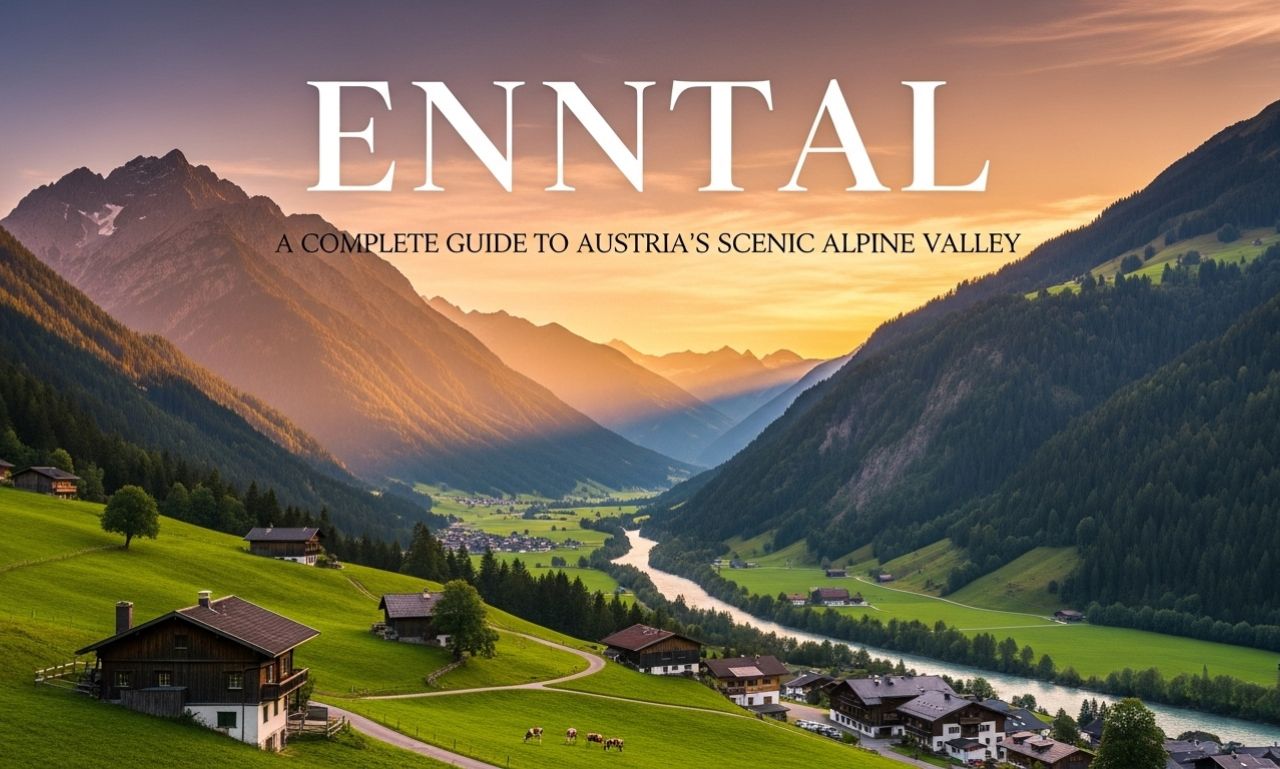
Enntal is one of Austria’s most beautiful alpine valleys, celebrated for its dramatic mountain scenery, historic towns, and deep cultural roots. Stretching along the Enns River, Enntal connects nature, tradition, and modern life in a way few regions can. From outdoor adventures to peaceful village living, Enntal offers a balanced and authentic Austrian experience.
Where Is Enntal Located?
Enntal follows the course of the Enns River through central Austria, crossing parts of Styria, Upper Austria, and Salzburg. The valley acts as a natural corridor between alpine regions and has long served as an important route for travel and trade.
Surrounded by rugged mountains and fertile lowlands, Enntal’s geography makes it both visually stunning and economically valuable.
Natural Beauty of Enntal
The defining characteristic of Enntal is its diverse natural landscape. The valley combines alpine peaks, dense forests, rolling meadows, and flowing rivers.
Mountains and Alpine Terrain
Enntal is bordered by impressive mountain ranges that attract hikers, climbers, and nature lovers. These peaks offer panoramic views and well-marked trails suitable for all skill levels.
Rivers and Green Valleys
The Enns River supports agriculture and wildlife while adding to Enntal’s scenic charm. Green pastures and farmlands create a peaceful contrast to the surrounding mountains.
Climate and Environment in Enntal
Enntal experiences a classic alpine climate with warm summers and cold winters. Seasonal changes strongly influence daily life and tourism activities.
Spring and summer bring hiking and cycling opportunities, while winter transforms Enntal into a hub for snow-based sports. The region’s clean air and preserved ecosystems make it attractive for eco-tourism and wellness travel.
Historical Background of Enntal
Enntal has a rich history shaped by early settlements, medieval trade, and regional development. Archaeological evidence shows that people lived in Enntal thousands of years ago, benefiting from fertile land and river access.
During the Middle Ages, Enntal grew in importance as a trade route. Castles, monasteries, and historic towns still stand as reminders of this period. Many villages preserve traditional architecture, reflecting centuries of cultural continuity.
Culture and Traditions in Enntal
Culture remains an essential part of life in En ntal. The region is known for preserving Austrian traditions through music, festivals, and daily customs.
Local Festivals
Seasonal festivals celebrate harvests, alpine farming, and regional history. Traditional clothing, folk music, and dancing are central to these events.
Regional Cuisine
En ntal cuisine reflects alpine heritage, featuring hearty dishes made with local ingredients. Cheese, bread, dumplings, and meat dishes are staples, often prepared using traditional recipes.
Tourism and Activities in Enntal
Tourism plays a significant role in En ntal’s economy, offering activities for all seasons.
Summer Activities
In warmer months, En ntal attracts visitors for hiking, mountain biking, rafting, and climbing. Nature trails pass through forests, riverbanks, and mountain paths, making exploration accessible and rewarding.
Winter Sports
Winter turns En ntal into a snow-covered destination ideal for skiing, snowboarding, and cross-country skiing. Smaller resorts provide family-friendly options and a quieter alternative to major ski areas.
Wellness and Relaxation
Many travelers visit En ntal for relaxation, enjoying spa hotels, thermal baths, and peaceful alpine settings focused on health and well-being.
Living in Enntal
Life in En ntal combines traditional rural values with modern infrastructure. Residents enjoy a strong sense of community, access to nature, and a slower pace of life.
While agriculture and tourism remain important, En ntal also supports small businesses, education, and renewable energy projects. The region appeals to families, retirees, and professionals seeking balance between work and lifestyle.
Economic Importance of Enntal
En ntal’s economy is diverse and stable. Key sectors include:
-
Agriculture and forestry
-
Tourism and hospitality
-
Small-scale manufacturing
-
Hydropower and renewable energy
The Enns River plays a vital role in sustainable energy production, supporting environmentally friendly development.
Why Enntal Attracts Visitors
En ntal attracts travelers who prefer authentic experiences over crowded tourist destinations. Its peaceful environment, scenic landscapes, and welcoming communities make it ideal for long stays and repeat visits.
Visitors value En ntal for its balance of adventure, culture, and relaxation.
Future of Enntal
The future of En ntal focuses on sustainability, responsible tourism, and cultural preservation. Local initiatives aim to protect natural resources while promoting economic growth.
With increasing interest in eco-friendly travel and rural living, En ntal is well-positioned to remain a desirable destination and place to live.
Conclusion
En ntal is a remarkable alpine valley that blends natural beauty, rich history, and cultural tradition. From mountain adventures and historic villages to peaceful living and sustainable development, En ntal represents the essence of Austria’s alpine charm. Whether visiting or settling long-term, En ntal offers an experience rooted in authenticity, balance, and natural harmony.