Rotten Tomatoes is a widely recognized review aggregator that has significantly shaped how audiences perceive movies and television shows. By combining professional critic reviews and audience feedback, Rotten Tomatoes provides a snapshot of a film or show’s reception. Understanding Rotten Tomatoes ratings can help moviegoers make informed decisions and offers filmmakers insight into public and critical opinion.
What Is Rotten Tomatoes?
Overview
Rotten Toma toes is an online platform that collects film and TV reviews from professional critics and audiences. It assigns each work a Tomatometer score based on the percentage of positive reviews, alongside an audience score reflecting viewer opinions.
History
Founded in 1998, Rotten Toma toes quickly became a trusted source for moviegoers. Its name, inspired by the tradition of throwing rotten toma toes at poor performances in theater, reflects its mission to provide honest and comprehensive ratings.
Understanding Rotten Tomatoes Ratings
The Tomatometer
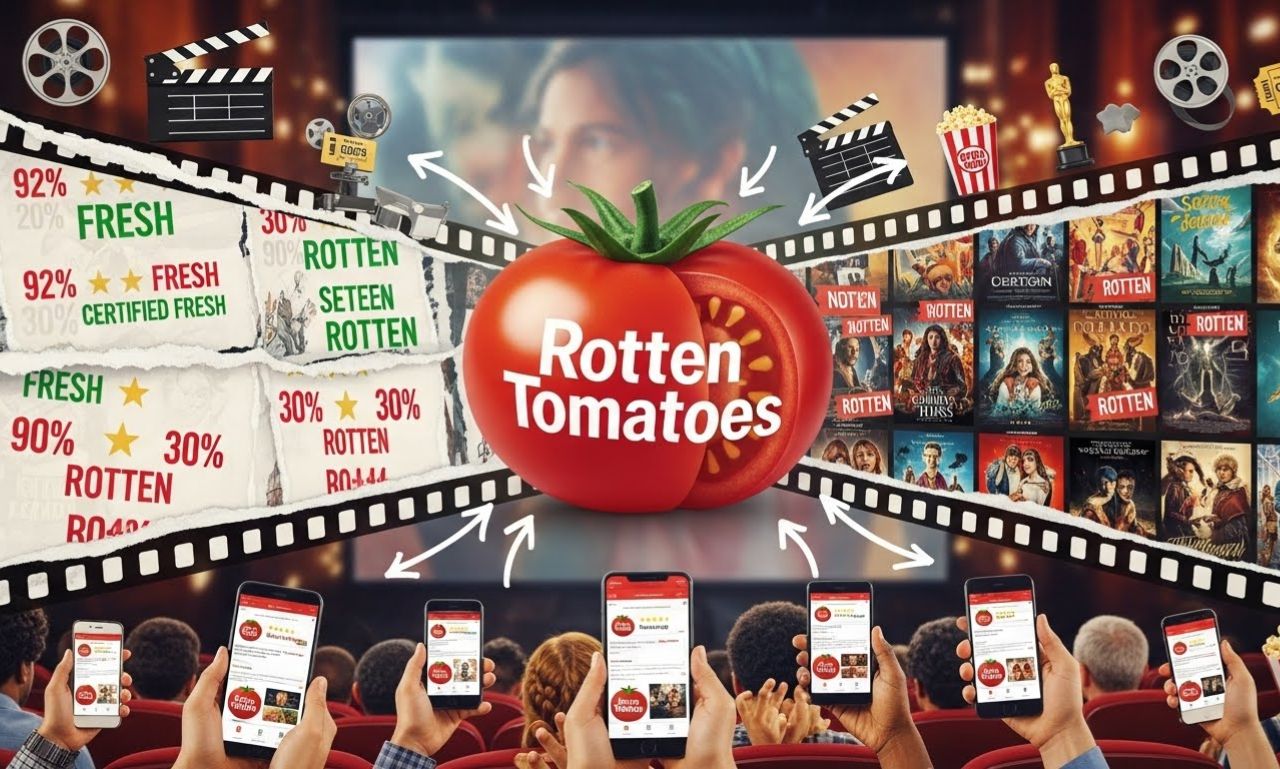
The Tomatometer represents the percentage of professional critics who gave a positive review. Films rated 60% or higher are considered “Fresh,” while those below 60% are “Rotten.”
Audience Score
The audience score reflects the percentage of regular viewers who enjoyed the film or show. This metric allows users to compare critic opinions with general audience reactions.
Certified Fresh
Some films achieve a Certified Fresh status, meaning they have consistently positive reviews from top critics and meet specific criteria for review quantity and score. This designation signals high-quality content to viewers.
How Rotten Tomatoes Works
Aggregating Reviews
Rotten Toma toes gathers reviews from approved critics and websites. Each review is classified as positive or negative, which contributes to the overall Tomatometer score.
Calculating Scores
The Tomatometer score is calculated as the percentage of positive reviews. For example, if a movie has 80 positive reviews out of 100 total, its Tomatometer score is 80%.
User Submissions
Registered users can submit their own ratings and reviews, which are then aggregated into the audience score. This dual-rating system provides a balanced perspective for potential viewers.
Influence of Rotten Tomatoes on the Film Industry
Moviegoer Decisions
Rotten Toma toes ratings significantly impact audience decisions. Many viewers check scores before buying tickets or streaming, making Rotten Toma toes a critical factor in box office performance.
Filmmaker Feedback
Directors, producers, and studios use Rotten Toma toes to gauge the reception of their work. Positive scores can boost marketing campaigns, while low scores may influence future projects or edits.
Marketing and Publicity
Certified Fresh ratings are often highlighted in trailers, posters, and online promotions to attract viewers. Conversely, a low Tomatometer score may serve as a cautionary signal to audiences.
Advantages of Rotten Tomatoes
Quick Reference
Rotten Toma toes provides a simple, accessible overview of a film’s reception, saving users from reading multiple reviews individually.
Balanced Perspective
By combining critic and audience scores, Rotten Toma toes offers a more comprehensive view of a movie’s quality and appeal.
Industry Transparency
The platform helps maintain transparency in film criticism, giving filmmakers and audiences measurable feedback.
Limitations and Criticisms
Overreliance on Scores
Some critics argue that audiences may rely too heavily on the Tomatometer or audience score, rather than forming their own opinions.
Variability in Reviews
Different critics have different standards, and the binary classification of positive or negative may oversimplify nuanced reviews.
Influence on Box Office
Low scores can negatively impact a film’s financial success, sometimes disproportionately to its actual quality or appeal.
Tips for Using Rotten Tomatoes
Compare Critic and Audience Scores
Check both the Tomatometer and audience score to get a complete perspective. Discrepancies may reveal films that appeal more to the public than critics, or vice versa.
Read Individual Reviews
Beyond scores, reading full reviews offers insight into what worked or didn’t in a movie.
Consider Personal Taste
Rotten Tomatoes is a helpful guide, but personal preferences ultimately determine enjoyment. Use scores as one factor in decision-making.
Rotten Tomatoes Beyond Movies
Television Shows
Rotten Tomatoes also evaluates TV shows, applying similar metrics for critic and audience reviews.
Streaming Platforms
With the rise of streaming services, Rotten Tomatoes provides ratings for online content, helping viewers navigate a growing library of digital media.
Video Games and Other Media
Some newer expansions include ratings for other media, reflecting the platform’s growing influence beyond traditional cinema.
The Cultural Impact of Rotten Tomatoes
Shaping Film Criticism
Rotten Tomatoes has changed how films are reviewed and discussed. It encourages transparency, accountability, and broader engagement with critics.
Online Discussions
Scores from Rotten Tomatoes often spark online debates, reviews, and discussions, enhancing the social aspect of film consumption.
Educational Use
Film students and enthusiasts use Rotten Tomatoes as a reference tool to study trends, critical reception, and audience engagement.
Conclusion
Rotten Tomatoes has become a cornerstone of modern film criticism and audience guidance. By providing accessible, aggregated reviews, it helps viewers make informed decisions, supports filmmakers with feedback, and shapes how media is marketed and discussed. While it has limitations, its influence on the movie and television industry is undeniable, making it a key resource for anyone interested in entertainment today.