
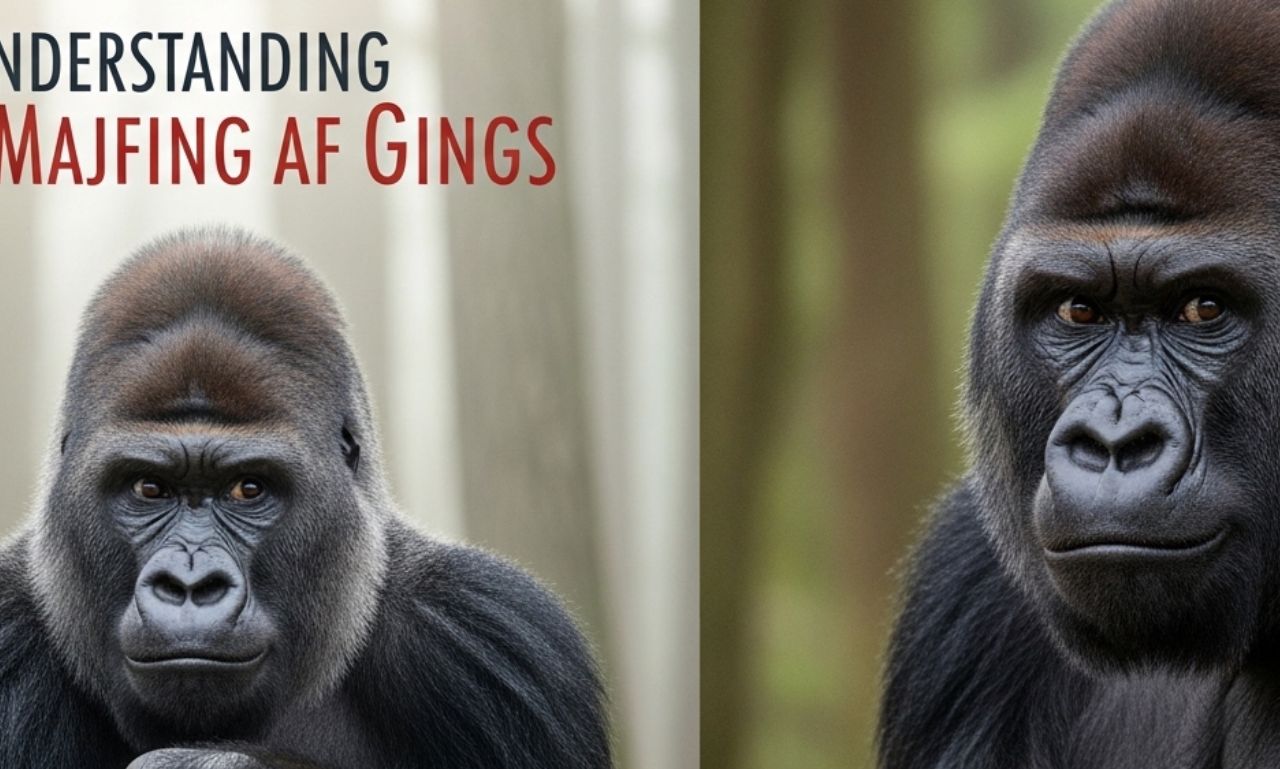
The gorilla is one of the most powerful and intelligent primates on Earth, belonging to the great ape family. Found in the forests of central Africa, the gorilla plays a crucial role in maintaining ecological balance. Despite their intimidating size, gorillas are known for their gentle nature and complex social structures. Studying the gorilla helps us understand not only wildlife but also our own evolutionary history.
Gorilla Species and Classification
There are two main species of gorilla: the western gorilla and the eastern gorilla, each with further subspecies.
Western Gorilla
The western gorilla is the most widely distributed species. It includes:
- Western lowland gorilla
- Cross River gorilla
This type of gorilla is found in countries like Cameroon, Gabon, and the Republic of Congo.
Eastern Gorilla
The eastern gorilla is larger and includes:
- Mountain gorilla
- Eastern lowland gorilla
These gorillas live in mountainous regions and dense forests, particularly in Rwanda, Uganda, and the Democratic Republic of Congo.
Each gorilla species has adapted to its specific environment, showcasing remarkable evolutionary traits.
Gorilla Habitat and Distribution
Gorillas primarily live in tropical and subtropical forests. Their habitat provides dense vegetation, which supports their herbivorous diet.
Forest Environment
The gorilla thrives in:
- Rainforests
- Swamp forests
- Mountain forests
These environments offer food, shelter, and protection from predators.
Geographic Distribution
Gorillas are native to central Africa, mainly in:
- Central Africa
- Congo Basin
The gorilla population is unevenly distributed, with some areas experiencing significant population decline.
Physical Characteristics of Gorilla
Gorillas are the largest living primates. Adult male gorillas, known as silverbacks, can weigh up to 200 kg or more.
Key Features
- Strong muscular build
- Broad chest and shoulders
- Dark, thick fur
- Opposable thumbs for gripping
- Large hands and feet
A distinctive feature of the male gorilla is the silver-gray hair on its back, which develops with age, symbolizing maturity and dominance.
Gorilla Behavior and Social Structure
Gorillas are highly social animals that live in groups called troops.
Group Structure
A typical gorilla group includes:
- One dominant silverback
- Several adult females
- Young gorillas
The silverback is responsible for protecting the group, making decisions, and maintaining order.
Communication
Gorillas communicate using:
- Vocal sounds
- Body language
- Facial expressions
These communication methods help gorillas express emotions like fear, aggression, and affection.
Gorilla Diet and Feeding Habits
Gorillas are primarily herbivores, meaning they mainly consume plant-based foods.
Diet Components
A gorilla’s diet includes:
- Leaves
- Fruits
- Stems
- Bamboo shoots
- Tree bark
Mountain gorillas, in particular, rely heavily on leaves and stems due to limited fruit availability in their habitat.
Feeding Behavior
Gorillas spend a large portion of their day feeding. Their diet requires them to consume large quantities of food to maintain energy.
Gorilla Intelligence and Emotions
The gorilla is one of the most intelligent animals in the wild. They demonstrate problem-solving abilities, memory, and emotional depth.
Emotional Intelligence
Gorillas show emotions such as:
- Joy
- Grief
- Empathy
Studies have shown that gorillas can mourn the loss of group members, highlighting their deep emotional connections.
Tool Use
Some gorillas have been observed using tools in the wild and captivity, such as sticks to test water depth or gather food.
Gorilla Conservation Status
Many gorilla populations are endangered due to human activities.
Threats to Gorilla Survival
- Habitat destruction
- Poaching
- Disease
- Climate change
The reduction of forest areas is one of the biggest threats to gorillas.
Conservation Efforts
Organizations and governments are working to protect gorillas through:
- Protected reserves
- Anti-poaching laws
- Wildlife tourism programs
- Habitat restoration
Role of Organizations
Groups like the World Wildlife Fund and other conservation bodies play a vital role in preserving gorilla populations.
Gorilla and Human Interaction
Gorillas share about 98% of their DNA with humans, making them one of our closest relatives.
Scientific Importance
Studying the gorilla helps scientists:
- Understand human evolution
- Study genetics and behavior
- Develop conservation strategies
Ecotourism
Gorilla trekking has become a popular tourist activity in countries like Rwanda and Uganda. This helps generate income for conservation while raising awareness about gorilla protection.
Gorilla in Culture and Media
The gorilla has become a symbol of strength and power in popular culture.
Representation
Gorillas are often portrayed in:
- Movies
- Documentaries
- Literature
One of the most famous fictional gorillas is King Kong, a symbol of raw power and tragedy.
Importance of Gorilla in Ecosystem
Gorillas play a vital role in maintaining forest ecosystems.
Seed Dispersal
By eating fruits and dispersing seeds through their droppings, gorillas help regenerate forests.
Biodiversity
Their presence supports biodiversity by maintaining the balance of plant life in their habitat.
Conclusion
The gorilla is a remarkable species that embodies strength, intelligence, and emotional depth. As a key part of forest ecosystems, gorillas contribute significantly to biodiversity and environmental health. However, their survival is under threat, making conservation efforts more important than ever. Protecting the gorilla is not just about saving a species—it is about preserving the balance of nature and honoring one of our closest animal relatives.