
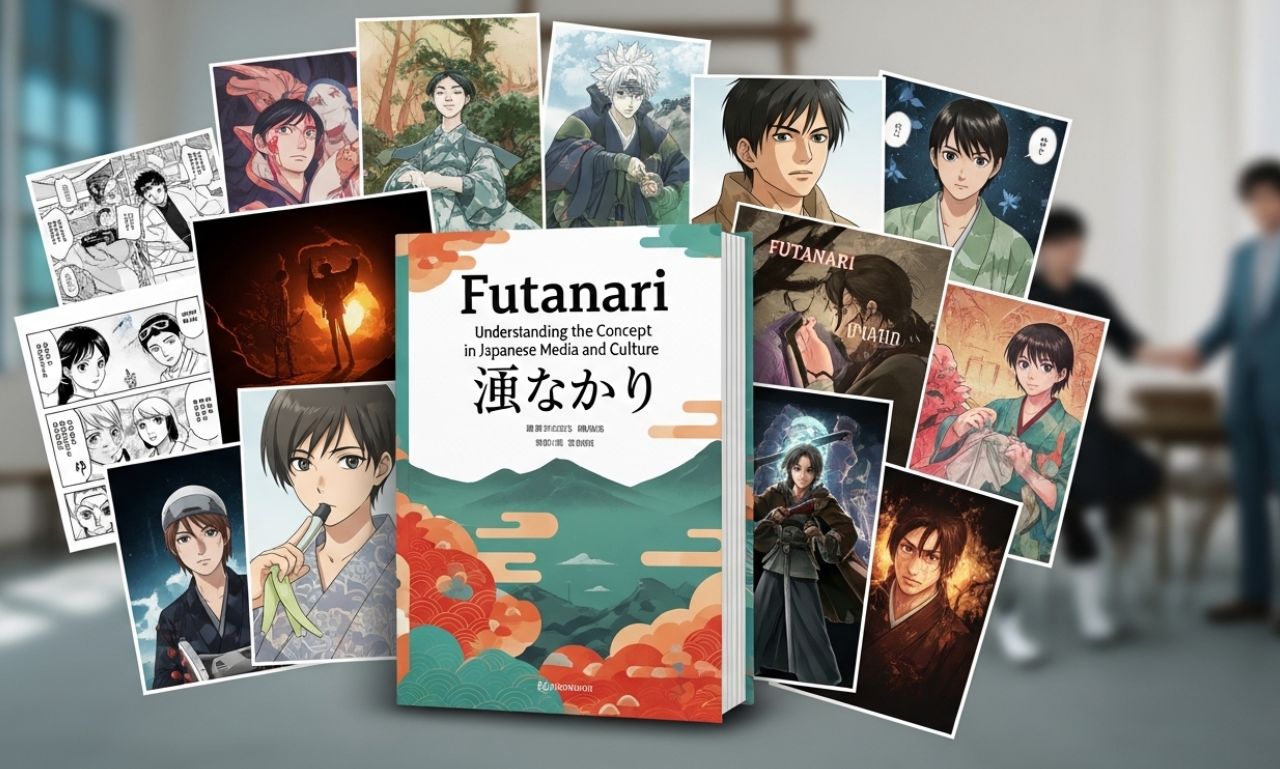
Futanari is a Japanese term that literally means “dual form.” In modern pop culture, particularly in anime and manga, it refers to fictional characters who possess both male and female physical traits.
The concept appears in various media, including erotic art, hentai manga, and fantasy storytelling, and has gained recognition among international audiences interested in Japanese subcultures. Understanding futanari involves exploring its origins, cultural context, and significance in art and media.
Origins and Meaning
Linguistic Background
In Japanese, “futanari” (ふたなり or 二成) combines two characters:
-
Futa (二) – meaning “two”
-
Nari (成) – meaning “to become” or “form”
Historically, the term referred to hermaphroditism or dual-gendered characteristics in nature. In contemporary media, the meaning shifted to describe characters blending male and female physical traits.
Historical References
References to dual-gendered figures exist in Japanese folklore and mythology, though the modern interpretation in anime and manga is largely a 20th-century cultural development. Early erotic shunga prints occasionally depicted ambiguous or mixed-gender figures, suggesting a long-standing cultural fascination with gender fluidity and duality.
Futanari in Japanese Media
Anime and Manga
Futanari characters are most commonly found in hentai manga and anime. These characters often serve fantasy-driven narratives, emphasizing sexual exploration or subverting traditional gender roles.
Visual Representation
Typical representations include:
-
Female appearance with male genitalia
-
Ambiguous or androgynous body traits
-
Exaggerated artistic styles in hentai or fantasy genres
These depictions are often highly stylized and intended for adult audiences.
Popularity and Communities
Internationally, futanari has gained a niche but dedicated following. Online communities, fan art, and digital content platforms have contributed to its growth beyond Japan. Its appeal is often linked to exploration of gender fluidity, fantasy erotica, and non-traditional character designs.
Cultural Context
Japanese Attitudes Toward Gender
Japanese media has a history of exploring gender ambiguity and fluidity, seen in:
-
Takarazuka Revue – women play male roles in theater
-
Yaoi/BL (Boys’ Love) – male-male romance manga often explores androgynous traits
-
Cross-dressing tropes in anime and manga
Futanari fits into this broader cultural fascination with gender bending, fantasy, and sexuality, though it remains largely adult-focused and niche.
Symbolism and Fantasy
Futanari characters often symbolize:
-
Transgression of societal norms
-
Sexual fantasy and freedom
-
Exploration of identity beyond male/female binaries
While explicit in nature, the concept can also serve as a lens to discuss gender expression and fluidity in storytelling.
Legal and Social Considerations
Age Restrictions and Distribution
Content featuring futanari is generally adult-rated, and access is restricted to audiences 18+. Legal restrictions on explicit content vary by country, meaning international distribution may be limited.
Cultural Sensitivity
Futanari, while a fantasy concept, intersects with real-world discussions on gender and sexuality. It is important to differentiate fictional depictions from real individuals and respect real-world gender identities when discussing or consuming media.
Modern Interpretations and Online Presence
Digital Art and Communities
Futanari has inspired a significant portion of online fan art, including:
-
Illustrations shared on platforms like Pixiv
-
Commissioned digital artwork
-
Discussions and creative storytelling in niche forums
Academic and Sociocultural Analysis
Scholars and cultural analysts sometimes examine futanari to explore:
-
Representations of gender nonconformity
-
Fantasy versus reality in sexual identity
-
Japanese pop culture and its global influence
These discussions often place futanari within broader conversations about media, identity, and sexuality.
Conclusion
Futanari is a unique cultural and artistic concept in Japanese media, representing characters that blend male and female traits. While its most prominent appearances are in adult anime and manga, it also reflects broader Japanese cultural interests in gender fluidity, identity, and fantasy.
Understanding futanari requires a nuanced perspective, separating fictional fantasy from real-life gender identities while recognizing its role in artistic expression, storytelling, and niche cultural communities.
Though often controversial, futanari remains an influential and recognized part of anime, manga, and Japanese pop culture globally.