
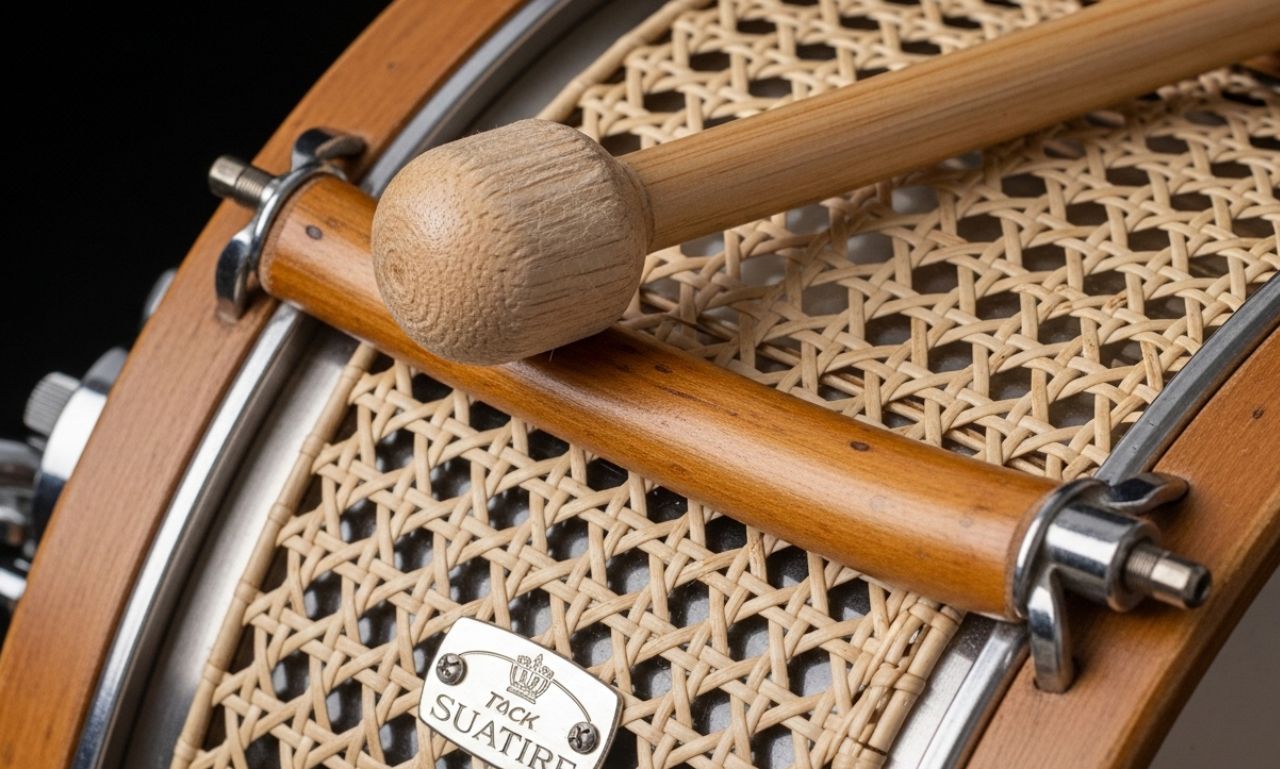
Cane has been an essential natural material for centuries, valued for its flexibility, strength, and aesthetic appeal. From furniture and baskets to walking sticks and decorative art, cane continues to play a significant role in both traditional craftsmanship and modern design. Today, cane is appreciated not only for its durability but also for its eco-friendly qualities and timeless charm.
Understanding cane involves exploring its origins, practical uses, and growing relevance in sustainable living.
The Origin and Nature of Cane
Cane typically refers to the outer skin of rattan, a climbing palm that grows in tropical regions of Asia, Africa, and Australia. Rattan is harvested from forests and processed into long, flexible strips known as cane. Because of its natural strength and bendability, cane is ideal for weaving and shaping into various forms.
Unlike synthetic materials, cane is biodegradable and renewable. It grows relatively quickly compared to hardwood trees, making it a sustainable choice for environmentally conscious consumers. Its light color and smooth texture also make it visually appealing in both rustic and contemporary interiors.
Cane in Furniture Design
One of the most common uses of cane is in furniture making. Cane furniture has been popular for centuries due to its lightweight structure and breathability. Woven cane seats and backrests allow air circulation, making them especially comfortable in warm climates.
Classic Cane Chairs
Cane chairs became fashionable in Europe during the colonial period when trade routes introduced rattan materials to Western markets. The iconic cane-backed chair remains a staple in dining rooms and living spaces. Its woven pattern adds texture and elegance while maintaining a minimalist look.
Today, designers combine cane with wood, metal, and upholstery to create modern furniture pieces. From armchairs and headboards to cabinets and coffee tables, cane continues to evolve in design trends.
Durability and Maintenance
Despite its delicate appearance, cane is surprisingly strong. Properly maintained cane furniture can last for decades. Regular cleaning with a soft brush and occasional moisture treatment helps prevent cracking. Avoiding prolonged exposure to extreme dryness ensures longevity.
Cane in Handicrafts and Daily Life
Beyond furniture, cane is widely used in handicrafts. Skilled artisans weave baskets, trays, mats, and decorative items using cane strips. In many cultures, cane weaving is a traditional craft passed down through generations.
Walking sticks made from cane have also been historically significant. They are lightweight yet sturdy, making them practical mobility aids. Additionally, cane has been used in the production of fishing traps and agricultural tools in rural communities.
Cultural Significance of Cane
Cane holds cultural importance in various regions around the world. In parts of Southeast Asia, cane weaving is deeply rooted in community traditions. Artisans create intricate patterns that reflect local heritage and artistic identity.
In colonial history, cane furniture symbolized luxury and global trade connections. European households prized imported cane goods for their exotic appeal. Over time, cane became integrated into mainstream design rather than remaining a niche product.
The continued appreciation of handmade cane products also supports local economies. Craft industries in countries like Indonesia and the Philippines rely heavily on rattan and cane production.
Cane in Modern Interior Design
In recent years, cane has experienced a resurgence in popularity within interior design. As people seek sustainable and natural materials, cane offers both environmental benefits and aesthetic warmth.
Minimalist and Bohemian Trends
Cane fits seamlessly into minimalist and bohemian styles. Its neutral tones complement earthy palettes, while its woven texture adds visual interest without overwhelming a space. Designers often use cane panels in cabinetry, room dividers, and lighting fixtures.
The trend of blending natural elements with contemporary architecture has further increased the demand for cane. Its organic appearance softens modern interiors dominated by glass and concrete.
Sustainable Living and Eco-Friendly Appeal
With growing awareness of environmental issues, consumers are choosing materials that reduce carbon footprints. Cane, derived from fast-growing rattan, supports responsible forestry when harvested sustainably. Many manufacturers now emphasize ethical sourcing to protect forest ecosystems.
Choosing cane products can contribute to a more sustainable lifestyle. Unlike plastic furniture, cane decomposes naturally at the end of its life cycle.
Differences Between Cane and Rattan
Although often used interchangeably, cane and rattan are not identical. Rattan refers to the entire plant, while cane is the outer layer peeled from the rattan stem. Rattan poles are commonly used as structural frames, whereas cane is primarily used for weaving surfaces.
Understanding this distinction helps buyers make informed decisions when purchasing furniture or décor items labeled as cane or rattan.
Challenges and Preservation of Cane Craftsmanship
Despite its benefits, cane craftsmanship faces challenges. Mass-produced synthetic alternatives sometimes replace natural cane due to lower costs. Additionally, improper harvesting practices can harm forest ecosystems.
To preserve traditional cane weaving, governments and organizations are promoting sustainable harvesting and artisan training programs. Supporting handmade cane products helps maintain cultural heritage and ensures fair wages for craftspeople.
The Future of Cane in Global Markets
The future of cane looks promising as sustainability continues to influence consumer behavior. Designers are experimenting with innovative techniques, combining cane with recycled materials and modern technology. Outdoor furniture, eco-resorts, and boutique hotels increasingly incorporate cane elements to create inviting spaces.
Advancements in protective coatings also make cane more resistant to humidity and pests, expanding its usability across different climates. As research into renewable materials progresses, cane is likely to remain a preferred choice for environmentally conscious design.
Conclusion
Cane is more than just a material; it is a symbol of craftsmanship, sustainability, and timeless design. From traditional weaving practices to contemporary furniture trends, cane has proven its versatility and resilience. Its lightweight strength, natural beauty, and eco-friendly qualities ensure that it continues to be valued across cultures and industries.
As modern lifestyles shift toward sustainability and authenticity, cane stands out as a practical and elegant solution. By supporting responsibly sourced cane products, consumers contribute to environmental preservation while embracing a material rich in history and cultural significance.