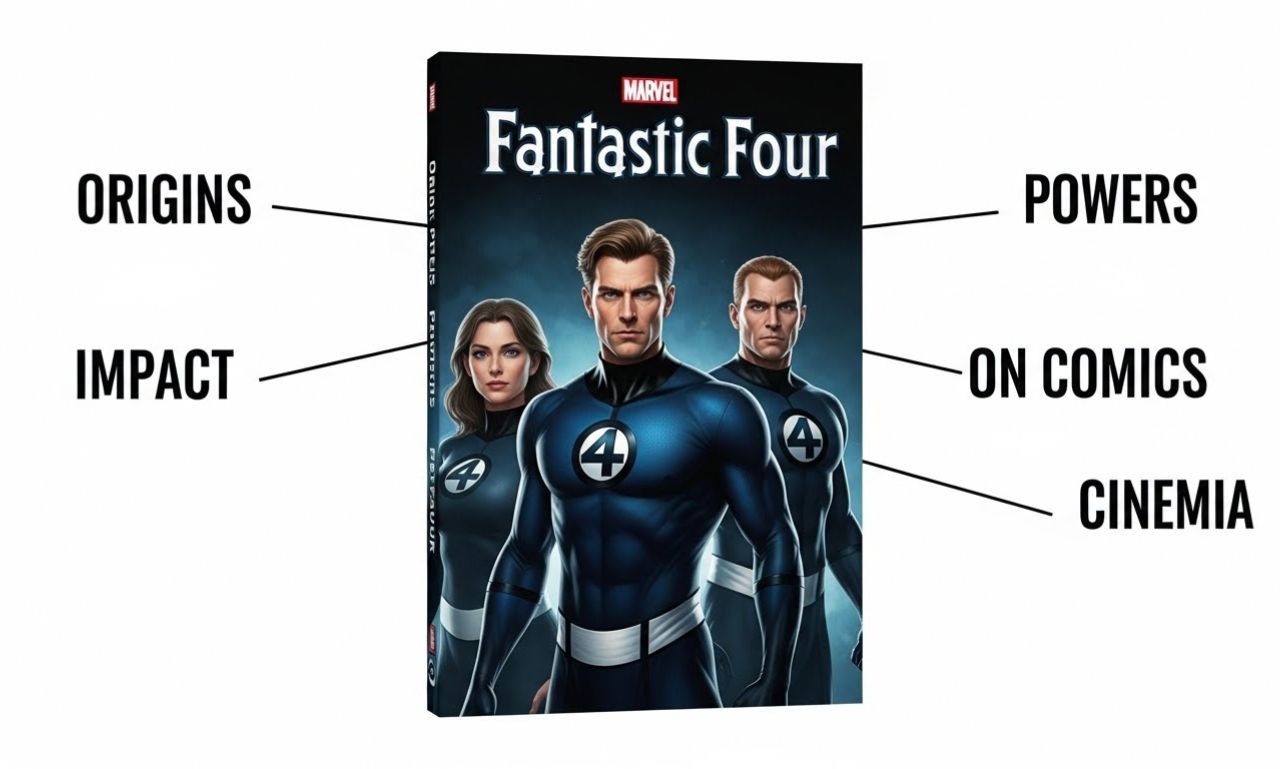
Fantastic Four is one of Marvel Comics’ most iconic superhero teams, known for pioneering the modern superhero genre with its unique blend of family dynamics, adventure, and science fiction. Created by Stan Lee and Jack Kirby in 1961, the Fantastic Four revolutionized comics by focusing on characters with real personalities, vulnerabilities, and relatable struggles. Understanding the Fantastic Four’s origins, powers, and cultural impact reveals why this team continues to captivate fans across generations.
Origins of the Fantastic Four
Creation and Debut
The Fanta stic Four made their debut in Fanta stic Four #1 in November 1961. Marvel introduced them as a team of four scientists who gained superpowers after a cosmic radiation accident during a space mission. Unlike previous superheroes, they were flawed, often bickering, and faced real-world problems alongside their heroic adventures.
Original Members
The original members of the Fanta stic Four include:
-
Reed Richards / Mr. Fantastic – possesses the ability to stretch his body to incredible lengths and shapes.
-
Sue Storm / Invisible Woman – can become invisible and generate force fields.
-
Johnny Storm / Human Torch – has the power of flame manipulation and flight.
-
Ben Grimm / The Thing – possesses superhuman strength and a rock-like body.
These characters form a balanced team where each member brings unique skills and personality traits, creating compelling interpersonal dynamics.
Powers and Abilities
Reed Richards / Mr. Fantastic
Reed’s stretching abilities allow him to elongate his body, shape-shift, and survive extreme conditions. His intelligence and inventive genius make him the team’s leader and strategist.
Sue Storm / Invisible Woman
Sue’s powers include invisibility and creating powerful force fields. She often serves as the moral center of the team, using her abilities defensively to protect her family and allies.
Johnny Storm / Human Torch
Johnny can ignite his body in flames, fly, and project fire blasts. His impulsive nature and humor add energy and personality to the team dynamic.
Ben Grimm / The Thing
Ben’s superhuman strength and durability make him the team’s powerhouse. Despite his tough exterior, his loyalty and sense of justice are central to the team’s cohesion.
Notable Villains and Storylines
Doctor Doom
Victor Von Doom, aka Doctor Doom, is the Fanta stic Four’s arch-nemesis. His genius intellect and mastery of both science and sorcery make him a formidable adversary.
Galactus
Galactus, the world-devouring cosmic entity, has appeared in several major Fantastic Four storylines, often testing the team’s courage and ingenuity.
Other Memorable Foes
The team has faced numerous villains, including the Skrulls, Mole Man, Annihilus, and Namor the Sub-Mariner, showcasing their versatility in both science fiction and superhero narratives.
Fantastic Four in Comics
Influence on Marvel Comics
The Fantastic Four played a critical role in shaping Marvel’s storytelling style, emphasizing character development, humor, and relatable conflicts alongside epic battles.
Classic Story Arcs
Some of the most influential arcs include:
-
The Coming of Galactus
-
The Trial of Reed Richards
-
The Negative Zone Adventures
These stories expanded the Marvel Universe, connecting the Fantastic Four with other heroes and cosmic events.
Fantastic Four in Film and Television
Animated Series
The Fantastic Four have appeared in multiple animated series since the 1960s, introducing their stories to younger audiences and maintaining cultural relevance.
Live-Action Adaptations
Several live-action films have been produced, including:
-
Fantastic Four (2005) and Fantastic Four: Rise of the Silver Surfer (2007) – praised for character dynamics but criticized for plot.
-
Fantastic Four (2015) – a reboot that received mixed reviews.
-
Upcoming MCU integration – fans anticipate the team joining the Marvel Cinematic Universe with renewed storytelling potential.
Video Games
The Fantastic Four have also been featured in video games, allowing players to experience their powers and team dynamics interactively.
Cultural Impact of Fantastic Four
Redefining Superheroes
The Fantastic Four introduced the idea that superheroes could have personal flaws, family tensions, and realistic problems, paving the way for modern character-driven storytelling in comics.
Influence on Pop Culture
From merchandise to references in other media, the Fantastic Four have become synonymous with teamwork, innovation, and the enduring appeal of superhero narratives.
Fan Communities
Fans of the Fantastic Four actively engage in conventions, fan art, cosplay, and online discussions, keeping the legacy alive and introducing new generations to the team’s adventures.
Challenges and Criticisms
Comic Book Reboots
Frequent reboots and continuity changes have sometimes confused readers, though they also offer opportunities to explore fresh storylines and modern interpretations.
Film Adaptation Critiques
Film adaptations have received mixed reviews due to pacing, plot, or visual effects, but strong character portrayals maintain fan interest.
Future of the Fantastic Four
Integration into the MCU
The anticipated integration of the Fantastic Four into the Marvel Cinematic Universe opens new possibilities for storytelling, crossovers, and revitalizing interest in the characters.
Expanding Stories
Comics continue to explore new dimensions, timelines, and cosmic adventures, ensuring the Fantastic Four remain relevant in modern pop culture.
Conclusion
The Fantastic Four is more than a superhero team; it is a cornerstone of Marvel’s storytelling legacy. With compelling characters, unique powers, memorable villains, and influential story arcs, the Fantastic Four continue to inspire comics, films, and fan communities worldwide. Their blend of family dynamics, adventure, and cosmic challenges ensures they remain one of the most beloved and enduring superhero teams in pop culture history.