
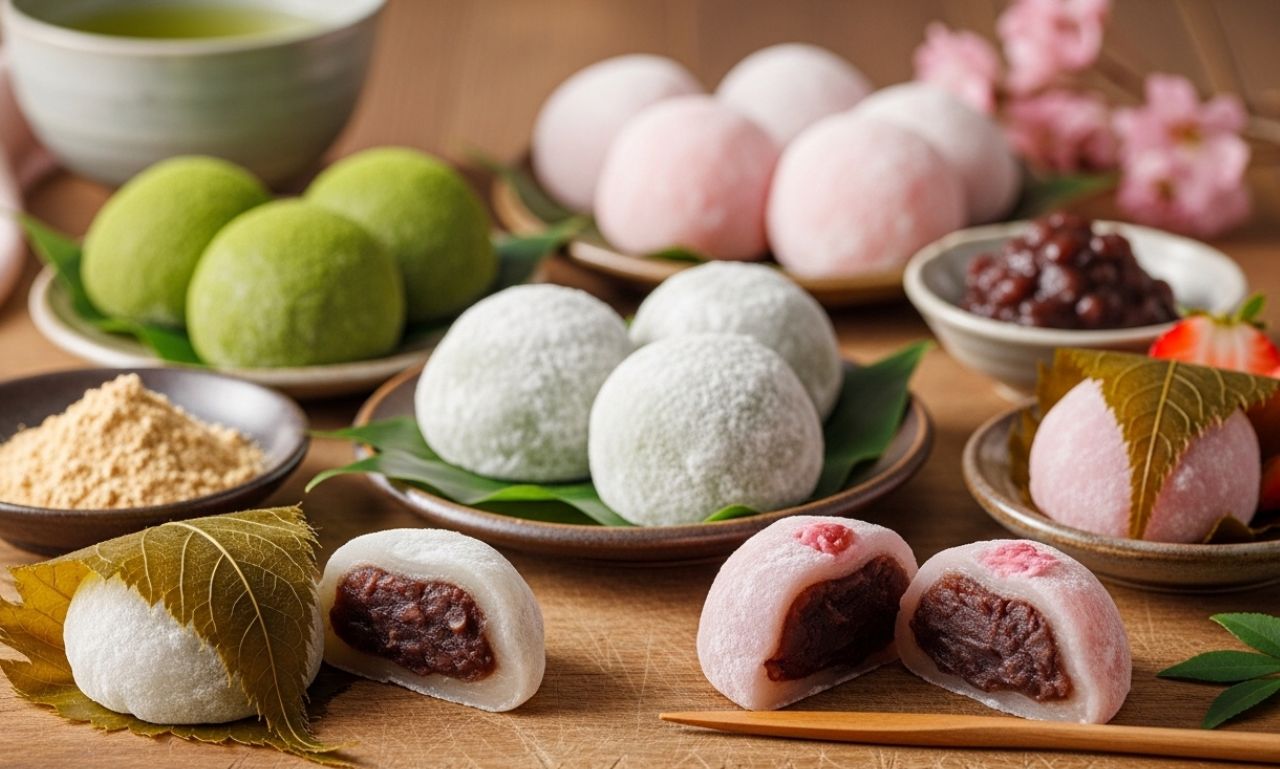
Mochi is one of Japan’s most iconic traditional foods, recognized for its soft, chewy texture and cultural significance. Made from glutinous rice that is pounded into a smooth, elastic dough, mochi has been enjoyed in Japan for centuries. From festive celebrations to modern desserts, mochi continues to evolve while remaining deeply rooted in Japanese tradition.
What Is Mochi?
Mochi is a Japanese rice cake created from glutinous rice, also known as sticky rice. The rice is steamed and then pounded until it becomes a smooth and stretchy mass. This dough is shaped into small cakes or used as a base for various sweet and savory dishes.
Unlike regular rice-based foods, mochi is known for its distinctive chewiness. This texture is what makes mochi unique and widely loved both in Japan and around the world.
The History of Mochi
Ancient Origins
The history of mo chi dates back more than a thousand years in Japan. Early forms of mo chi were prepared during ceremonial events and religious rituals. Because rice symbolized prosperity and good fortune, mo chi was considered a sacred food.
Mo chi became especially important during the Japanese New Year, where it represented strength, happiness, and long life.
Mochi in Traditional Japanese Culture
Over time, mo chi transitioned from a ceremonial dish to an everyday treat. Families would gather for mo chi-making events, reinforcing community bonds. These traditions helped preserve mo chi as a cultural symbol passed down through generations.
Types of Mochi
Plain
Plain mo chi is often grilled or boiled and served with soy sauce, seaweed, or sweet toppings. This simple version highlights the natural flavor and texture of the rice.
Daifuku
Daifuku is one of the most popular m ochi varieties. It consists of soft mo chi filled with sweet red bean paste. Modern versions may include fillings like cream, fruit, or chocolate.
Desserts
Dessert-style mo chi includes ice cream mo chi, flavored mo chi balls, and seasonal sweets. These variations have helped introduce mo chi to international audiences.
Savory Dishes
In addition to sweets, mo chi is used in savory meals such as soups, stews, and grilled dishes. These preparations are especially common during colder seasons.
Ingredients Used in Mochi
Glutinous Rice
The main ingredient in mo chi is glutinous rice. Despite its name, it does not contain gluten. Its high starch content gives mo chi its signature elasticity.
Fillings and Flavorings
Mo chi can be filled with sweet or savory ingredients. Traditional fillings include red bean paste, while modern options may include custard, fruit, or nuts.
Coatings and Toppings
Mo chi is often dusted with starch or coated with soybean powder, sugar, or sauces to enhance flavor and prevent sticking.
How Is Made
Traditional Making
Traditional mo chi is made using a method called “m ochitsuki,” where steamed rice is pounded with a wooden mallet. This process requires rhythm and teamwork to achieve the correct consistency.
Modern Preparation
Today, mo chi is often prepared using machines or simplified methods at home. These techniques maintain the texture while making the process more accessible.
Shaping and Serving
Once prepared, mo chi dough is shaped into small portions and served fresh. Proper handling is important to preserve texture and flavor.
Cultural Importance of Mochi
Mochi and Japanese Festivals
Mo chi plays a central role in Japanese celebrations, especially the New Year. Decorative mo chi arrangements symbolize good luck and renewal.
Mochi as a Symbol of Togetherness
Mo chi-making events bring families and communities together. The shared preparation process strengthens social bonds and preserves tradition.
Mochi in Media and Pop Culture
Mo chi frequently appears in Japanese television, anime, and films, reinforcing its status as a cultural icon.
Health and Nutritional Aspects of Mochi
Energy and Nutrition
Mo chi is high in carbohydrates, making it a good source of energy. It is filling and satisfying when eaten in moderation.
Portion Awareness
Due to its dense texture, mo chi should be consumed in appropriate portions. Pairing it with balanced meals helps maintain nutritional value.
Adaptability for Modern Diets
Mo chi can be adapted using alternative fillings or portion sizes to suit different dietary preferences.
Mochi vs Other Rice-Based Sweets
Mo chi differs from other rice desserts because of its elasticity and preparation method. While many rice sweets are crumbly or soft, mo chi stands out for its chewy consistency.
This unique texture is a key reason mo chi has gained international popularity.
Global Popularity of Mochi
Mochi Beyond Japan
As Japanese cuisine gained global recognition, mo chi became popular worldwide. It is now commonly found in international grocery stores and restaurants.
Mochi in Modern Food Trends
Ice cream mo chi and fusion desserts have made mo chi especially appealing to younger audiences. Social media has played a major role in its global rise.
The Future
With continued innovation and growing interest in traditional foods, mo chi is expected to remain a favorite in global cuisine.
Conclusion
Mo chi is a timeless Japanese food that blends tradition, culture, and flavor. From ancient rituals to modern desserts, mo chi has maintained its importance while adapting to changing tastes.
Its chewy texture, symbolic meaning, and versatility ensure that mo chi will continue to be enjoyed for generations to come.