The Gulf of Mexico is a vast and remarkable waterbody that shapes the geography, ecology, and economy of the surrounding regions. As one of the largest gulfs in the world, the Gulf of Mexico supports diverse marine life, fuels major industries, and plays a critical role in global weather systems. From its ecological richness to the environmental challenges it faces, the Gulf of Mexico remains central to scientific study and human livelihood alike.
What Is the Gulf of Mexico? An Overview
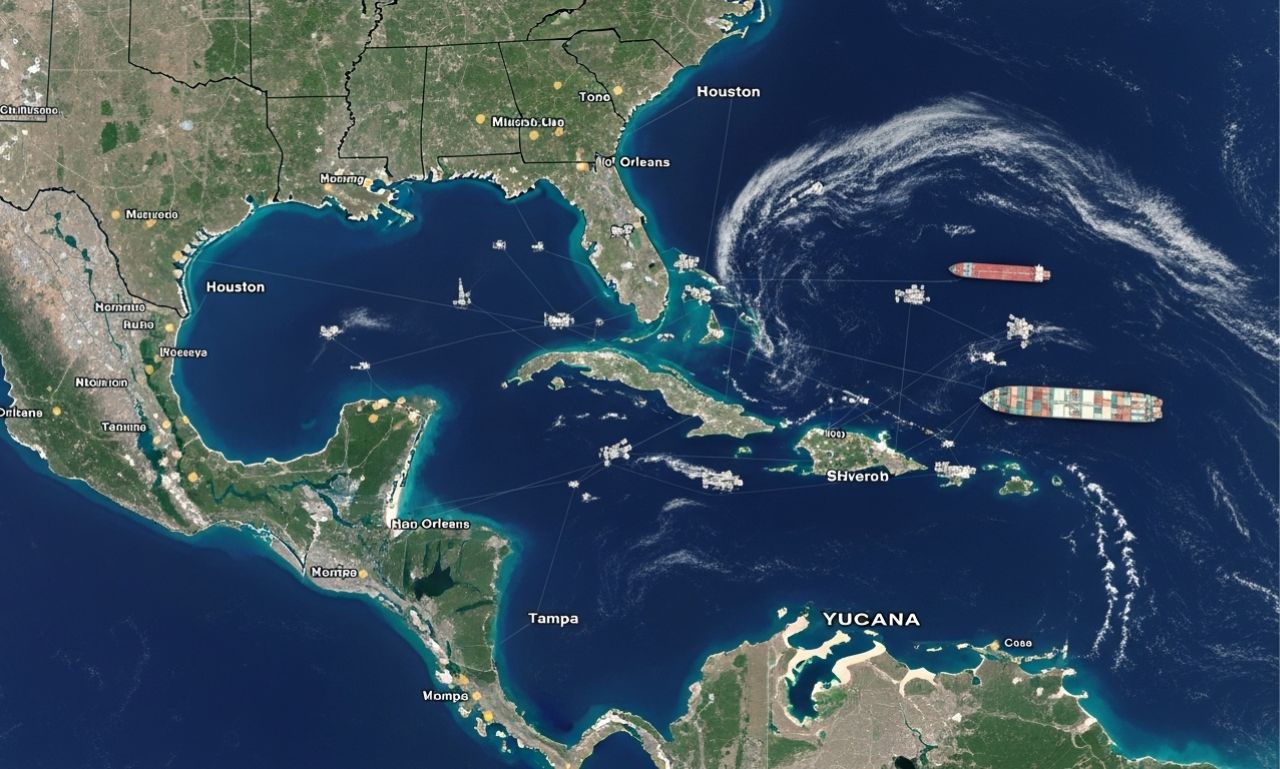
The Gulf of Mexico is a large ocean basin largely surrounded by the North American continent. It is bordered by the United States to the north, Mexico to the west and south, and Cuba to the southeast. Covering roughly 600,000 square miles, the Gulf’s waters extend into the Atlantic Ocean through the Florida Straits and connect to the Caribbean Sea via the Yucatán Channel.
The Gulf of Mexico’s rich natural resources have supported human activity for centuries. Long before European exploration, Indigenous peoples lived along its shores, using its waters for food, trade, and transportation. Over time, exploration, settlement, and modern industry transformed the region into a hub of commerce and culture.
Geography and Natural Characteristics
The Gulf of Mexico includes wide continental shelves, deep basins, and coastal estuaries that support dynamic marine ecosystems. Its average depth is approximately 5,300 feet, and it is fed by more than 30 major rivers, with the Mississippi River being the largest contributor of freshwater inflow.
Unique geological features like salt domes and underwater canyons enhance the Gulf’s structural complexity. These formations also help trap hydrocarbons, making the Gulf of Mexico one of the world’s key regions for oil and gas deposits.
A Hub of Marine Biodiversity
The Gulf of Mexico is home to one of the most diverse marine ecosystems in the Western Hemisphere. Its waters support tens of thousands of species, including numerous fish, crustaceans, marine mammals, sea turtles, and seabirds.
Important commercial and recreational species such as red snapper, shrimp, oyster, and grouper thrive here, contributing significantly to regional fisheries. The Gulf’s coastal wetlands also provide crucial habitat for migratory birds and act as nurseries for juvenile marine animals, maintaining biological productivity.
Economic Importance of the Gulf of Mexico
The Gulf of Mexico drives major economic activity for surrounding countries. Offshore oil and gas extraction in the Gulf is a cornerstone of the energy industry, providing a large portion of the United States’ domestic oil and natural gas supply.
Fishing and seafood production are also vital economic drivers. Commercial landings from the Gulf bring in millions of pounds of finfish and shellfish annually, supporting jobs and local economies throughout Gulf Coast states.
Tourism is another pillar of the Gulf’s economic profile. Millions of visitors are attracted to its beaches, recreational fishing, and water sports, adding billions of dollars to regional economies and supporting hundreds of thousands of jobs.
Environmental Challenges Facing the Gulf of Mexico
Despite its economic value, the Gulf of Mexico faces serious environmental pressures. The largest human-caused disaster in the Gulf’s history, the Deepwater Horizon oil spill of 2010, released millions of barrels of oil into the water, causing long‑lasting impacts on wildlife and habitats.
Other threats include overfishing, which can disrupt marine food webs and deplete key species, as well as agricultural runoff that creates low‑oxygen “dead zones” where little life can survive. Habitat loss from coastal development and pollution further stresses the Gulf’s ecosystems, making conservation efforts essential for sustainability.
Climate and Weather Systems
The Gulf of Mexico plays a significant role in regional and global climate patterns. Its warm waters fuel Atlantic hurricanes and influence weather across the southeastern United States, the Caribbean, and beyond. The Loop Current and other circulation features help distribute heat and salinity throughout the Gulf and into the Atlantic Ocean.
Changes in sea surface temperatures can affect hurricane intensity and marine ecosystems, making climate change a vital factor in planning for future environmental resilience.
Cultural and Historical Significance
The Gulf of Mexico has shaped human history in the Americas. Long before European arrival, Gulf Coast civilizations engaged in trade, fishing, and cultural exchange. Spanish explorers later charted the region and established ports along its shores, facilitating transatlantic voyages and colonial expansion.
Over centuries, the Gulf has remained a focal point for maritime activity and cultural interaction, influencing cuisine, music, folklore, and coastal traditions across multiple nations.
Conservation and Future Outlook
Efforts to protect the Gulf of Mexico focus on sustainable fishing practices, habitat restoration, pollution reduction, and scientific research. Organizations and governments work to monitor water quality, protect endangered species, and limit harmful impacts from industrial operations.
Balancing economic development with environmental stewardship will be crucial for the Gulf’s future. Continued investment in clean‑energy alternatives, stricter pollution controls, and community engagement can help ensure the Gulf remains a vibrant part of the planet’s natural heritage.
Conclusion: The Gulf of Mexico’s Enduring Legacy
The Gulf of Mexico is a natural treasure of immense ecological, economic, and cultural importance. Its waters sustain diverse life forms, support vital industries, and shape weather and climate patterns across vast regions. Facing environmental challenges, the Gulf’s future depends on collective efforts to protect and responsibly manage its resources.
As one of the world’s most significant marine basins, the Gulf of Mexico continues to be a subject of study, admiration, and concern, highlighting the intricate connections between people, nature, and the global environment.