Anonib refers to a type of anonymous image‑board website that allowed users to post photos and comments without signing in or revealing their identity. While originally part of the broader online culture of anonymous forums and image boards, Anonib became notorious for controversial content, privacy violations, and legal challenges over the years. In this article, we explain what Anonib was, how these platforms worked, and why they sparked debate and legal action.
What Was Anonib?
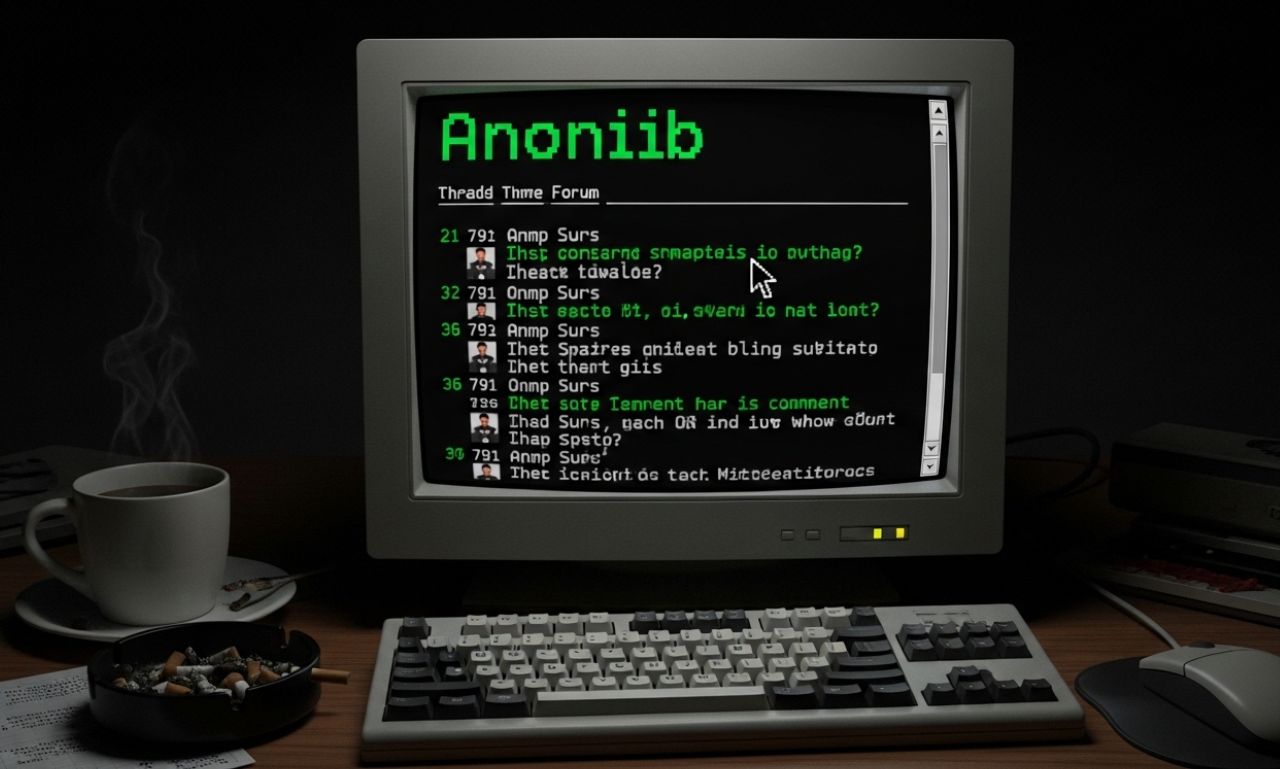
At its core, Anonib stood for “Anonymous Image Board,” a website model similar to early image boards like 4chan and 8chan where users could upload images and post comments without creating an account. The defining characteristic of Anonib was that it did not require registration or usernames — all participation was anonymous.
Unlike mainstream social media, where posts are tied to identifiable profiles, Anonib relied on complete anonymity. Users could create threads, post images, and respond to others without verification. While anonymity can support freedom of expression, it also removed accountability and enabled harmful behavior.
How Did Anonib Work?
The mechanics behind Anonib were very simple:
-
Anonymous Posting: Users could upload photos and start discussions without accounts.
-
Image Threads: Content was organized into boards or threads where people could comment or add more images.
-
Minimal Moderation: There were few rules or little enforcement, meaning most posts remained visible unless removed by external pressure.
-
No Identity Tracking: Without usernames or profile systems, posts could not easily be traced back to specific users.
This structure was designed to make participation easy and fast, but it also meant there was little oversight over what content could be posted or who could upload it.
The Evolution and History of Anonib
Anonib first emerged in the early days of anonymous image boards. Over time, it evolved from a niche forum into a more widely known — and controversial — internet space. Initially, some users viewed these boards as free‑speech arenas or creative forums for sharing images. However, as the platforms grew, so did the range of content posted by anonymous contributors.
By the 2010s, Anonib became infamous for hosting intimate or explicit images shared without clear consent, often categorized as non‑consensual content. This reputation was solidified during widely publicized leaks of private photos, where the site was used to circulate stolen imagery. The very anonymity that drew users also made it a haven for harmful sharing.
Why Was Anonib Controversial?
Anonib became synonymous with several serious issues — most notably privacy violations and non‑consensual content sharing. Some of the main sources of controversy included:
1. Non‑Consensual Image Sharing
One of the biggest problems was that images of individuals, often private or intimate photos, were shared without the knowledge or consent of the people pictured. This practice is widely condemned and illegal in many jurisdictions.
2. Privacy and Doxxing
Some threads included personal information such as names, locations, or social media handles, which amounted to doxxing — revealing private information to the public without permission.
3. Minimal Moderation and Harmful Culture
Unlike mainstream forums, Anonib lacked robust moderation. That allowed harmful or exploitative content to remain online longer and encouraged behavior that would be unacceptable elsewhere.
4. Legal and Ethical Issues
Content posted on Anonib often crossed ethical and legal lines. Distributing explicit or private images without consent is illegal in many countries and falls under non‑consensual pornography or digital exploitation laws.
Without accountability or content checks, the platform became a flashpoint in discussions about online privacy, freedom of speech, and digital safety.
Clones, Shutdowns, and Ongoing Legacy
The original Anonib site no longer operates in its early form. It faced legal pressure, domain seizures, and takedowns as law enforcement and advocacy groups targeted platforms that facilitated exploitative content. However, because of the ease of cloning anonymous boards, several mirror or copycat sites appeared, often with little oversight and varying levels of safety.
These mirrors are not the original Anonib — and many are unsafe, filled with intrusive ads, malware, or illegal material. Visiting these sites can pose security risks or expose users to illegal content.
Legal and Ethical Risks
Even browsing a site like Anonib or its clones can carry risks:
-
Legal Risks: Viewing or sharing non‑consensual explicit content may violate laws in some jurisdictions, especially when minors or private individuals are involved.
-
Privacy Risks: While the platform advertises anonymity, users can still be traced through IP addresses or other digital fingerprints in certain legal investigations.
-
Security Risks: Clone sites often rely on ads, pop‑ups, or scripts that can install malware or expose devices to phishing and harmful software.
It’s crucial to avoid platforms that host or circulate non‑consensual images or personal data without authorization.
Responsible Alternatives and Internet Safety
If you’re interested in anonymous forums or image boards for legitimate discussion, consider communities with moderation and content policies that protect users and respect privacy, such as certain subreddits or established discussion platforms. These spaces encourage open conversation while enforcing rules to prevent exploitation.
Understanding online safety — including how anonymity works and where it can go wrong — helps you navigate the internet more responsibly. Always avoid sites that encourage or host illegal or exploitative content, and report harmful behavior to the proper authorities when necessary.